

Simple Daily Health Habits for DC Dancers and Families to Thrive
Written by: Dorothy Watson of the Mental Wellness Center
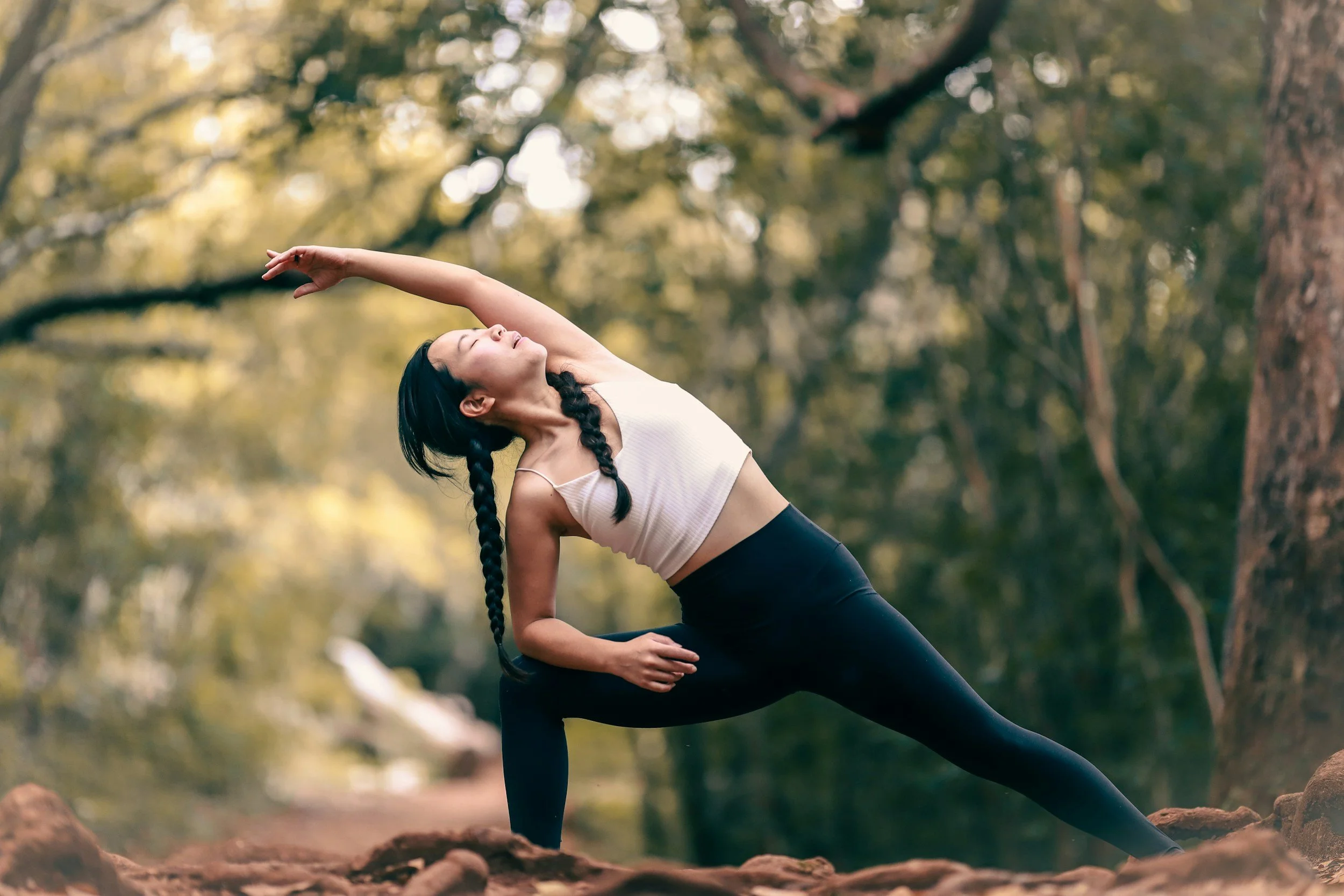
DC-area dancers and families often balance rehearsals, school, work, and tight budgets while also facing limited access to dance education, affordability barriers, and uneven inclusion. When daily routines get crowded, basic care can become reactive, and small aches or low energy can quietly limit movement and mood. Head-to-toe health strategies offer a practical way to support the body and mind without major schedule changes. The payoff is steady, everyday well-being enhancement that helps dancing and family life feel more sustainable.
Understanding Whole-Body Care as a System
Whole-body care means treating health like a practical system, not a set of random fixes. A wellness routine is a daily schedule that holds your habits together, so small actions add up to real support. When you stack basics like movement, sleep, meals, and self-care, you build overall wellness concepts you can repeat. This matters because dancers and families often need low-cost, flexible options that work with packed days and varied access to classes. Consistent basics can improve energy, focus, and mood, which helps practice feel safer and family life feel steadier. It also supports showing up confidently in community spaces that should feel welcoming. Think of it like packing a dance bag: one item helps, but the full kit keeps you ready. A two-minute stretch, a water refill, and a calmer bedtime can reduce next-day stiffness. Over time, those tiny choices become your reliable baseline.
Habits That Keep Dancers and Families Steady
Small, named habits help DC-area dancers and families build confidence without needing extra classes, gear, or perfect schedules. When these basics repeat, they support safer movement, steadier moods, and easier participation in inclusive dance spaces.
Five-Minute Morning Stretch
What it is: Do gentle ankle, hip, spine, and shoulder stretches after waking.
How often: Daily
Why it helps: Research links several minutes of daily stretching with a wealth of benefits.
Water Bottle Reset
What it is: Refill a bottle and drink a few sips before leaving home.
How often: Daily
Why it helps: Hydration supports focus and can reduce headache and fatigue during practice.
Screen-Down Bedtime Cue
What it is: Set a consistent lights-out time and dim screens 30 minutes before.
How often: Nightly
Why it helps: More regular sleep improves recovery, patience, and next-day learning.
Two-Minute Breath Check
What it is: Practice slow breathing and notice sensations in your body.
How often: Daily or before class
Why it helps: Mindfulness-based programs show strong effects on interoception measures, supporting body awareness.
Connection Touchpoint
What it is: Send one supportive text or plan a quick check-in.
How often: Weekly
Why it helps: Social connection lowers stress and makes community involvement feel safer.
Dance for Wellness: A 15-Minute Inclusive Movement Break
A short dance break can support dance for physical health and emotional well-being through dance without needing special space, equipment, or experience. Use this 15-minute routine as a repeatable habit that fits alongside hydration, mindfulness, and steady sleep.
Set a 15-minute “start small” routine: Use 3 minutes to warm up, 9 minutes to move, and 3 minutes to cool down. Keep the goal simple: show up daily, not “dance perfectly.” This approach builds consistency like a bedtime routine, short, predictable, and easy to repeat.
Warm up with joint-friendly basics: March in place, roll shoulders, circle wrists and ankles, then add gentle side steps. Choose a “talk test” pace where you can speak in short sentences without gasping; this supports dance for physical health while staying beginner-safe. If you already do a morning stretch from your steady habits plan, reuse 2–3 of those stretches here.
Pick one accessible pattern and repeat it: Use a four-count phrase: step-touch right/left, then grapevine or two side steps, then two reaches overhead. Repetition reduces decision fatigue and helps families move together even with mixed ages and skill levels. For seated options, replace steps with toe taps and reach patterns.
Use inclusive dance education cues (body-neutral and choice-based): Offer options like “stand or sit,” “big range or small range,” and “hands high or hands at heart.” Give direction by sensation, not shape: “move until you feel warm,” “keep knees soft,” “stop if you feel sharp pain.” A dance education note that dance integrates movement and social connection helps explain why a shared routine can lift mood as well as fitness.
Add an emotional check-in and a reset move: Start with a one-word feeling (“tired,” “wired,” “calm”), then match it with a movement quality (slow, sharp, smooth). End the 9-minute section with one “reset”: inhale arms up, exhale arms down for 3 rounds. This pairs well with short mindfulness practice and can reduce stress after school or work.
Turn it into community engagement in dance: Schedule one weekly “share day” where your family teaches a favorite step to a friend, neighbor, or classmate in a hallway, park, or living room. Keep it welcoming: one step, one song, one minute of cheering per person. In DC, this can also mean joining a free library or recreation-center event and using the same 15-minute structure at home.
Common Questions for Steadier Daily Health Habits
Q: What are some easy stretching exercises to incorporate into my morning routine to improve flexibility and reduce stiffness?
A: Try a 5-minute sequence: neck side tilts, shoulder rolls, cat-cow at a wall, standing calf stretch, then a gentle hamstring hinge with soft knees. Move slowly and stop before sharp pain so your nervous system stays calm, not braced. If you feel “stuck,” pick just two stretches and repeat them daily until they feel automatic.
Q: How can I create a bedtime routine that consistently helps me get restful sleep every night?
A: Use the same three cues each night: dim lights, a quick wash and brush routine, then 5 minutes of quiet reading or stretching. Keep screens out of the last 30 minutes, and aim for a consistent wake time even on weekends. Consistency matters because times to reach habit formation vary widely.
Q: What simple mindfulness or breathing techniques can I practice daily to better manage stress and feel more centered?
A: Practice “box breathing” for 2 minutes: inhale 4 counts, hold 4, exhale 4, hold 4. If counting feels stressful, switch to a longer exhale, breathing out like fogging a mirror. Pair it with one sentence of self-check: “What do I need in the next 10 minutes?”
Q: How does regular dance activity contribute to overall physical and mental well-being for individuals and families?
A: Dance builds stamina, coordination, and joint mobility while offering a healthy outlet for emotion. Shared movement also supports connection, which can lower stress and help families feel less isolated. Keeping it inclusive with seated or low-impact options makes it easier to stay consistent.
Q: If I feel stuck in my current daily routine and want to pursue new skills or opportunities, what educational options are available that can fit into a busy lifestyle?
A: Look for self-paced classes, short workshops, or drop-in community sessions that let you practice in small chunks. Choose one skill goal for 6 to 8 weeks, then track it with a simple checklist alongside sleep and hydration. If you’re exploring a degree path, a bachelor of science in information technology is one option to consider alongside other self-paced formats.
Commit One Week to Health Habits That Support DC Dance Days
Busy DC dance and family schedules make health feel like an extra task, so good intentions fade by midweek. The steady approach is integration of health habits into holistic daily routines, using small repeatable choices instead of all-or-nothing plans. With that mindset, commitment to well-being becomes a reliable baseline for energy, mood, recovery, and focus across school, work, and rehearsals. Sustainable health strategies start with consistent routines, not perfect days. Pick two actions to start this week and tie them to moments that already happen in your day. This is why it matters: stable routines build resilience that supports safe movement, learning, and long-term health.
