

Simple Daily Habits for DC Residents to Boost Well-Being and Connection
Written by: Dorothy Watson of the Mental Wellness Center
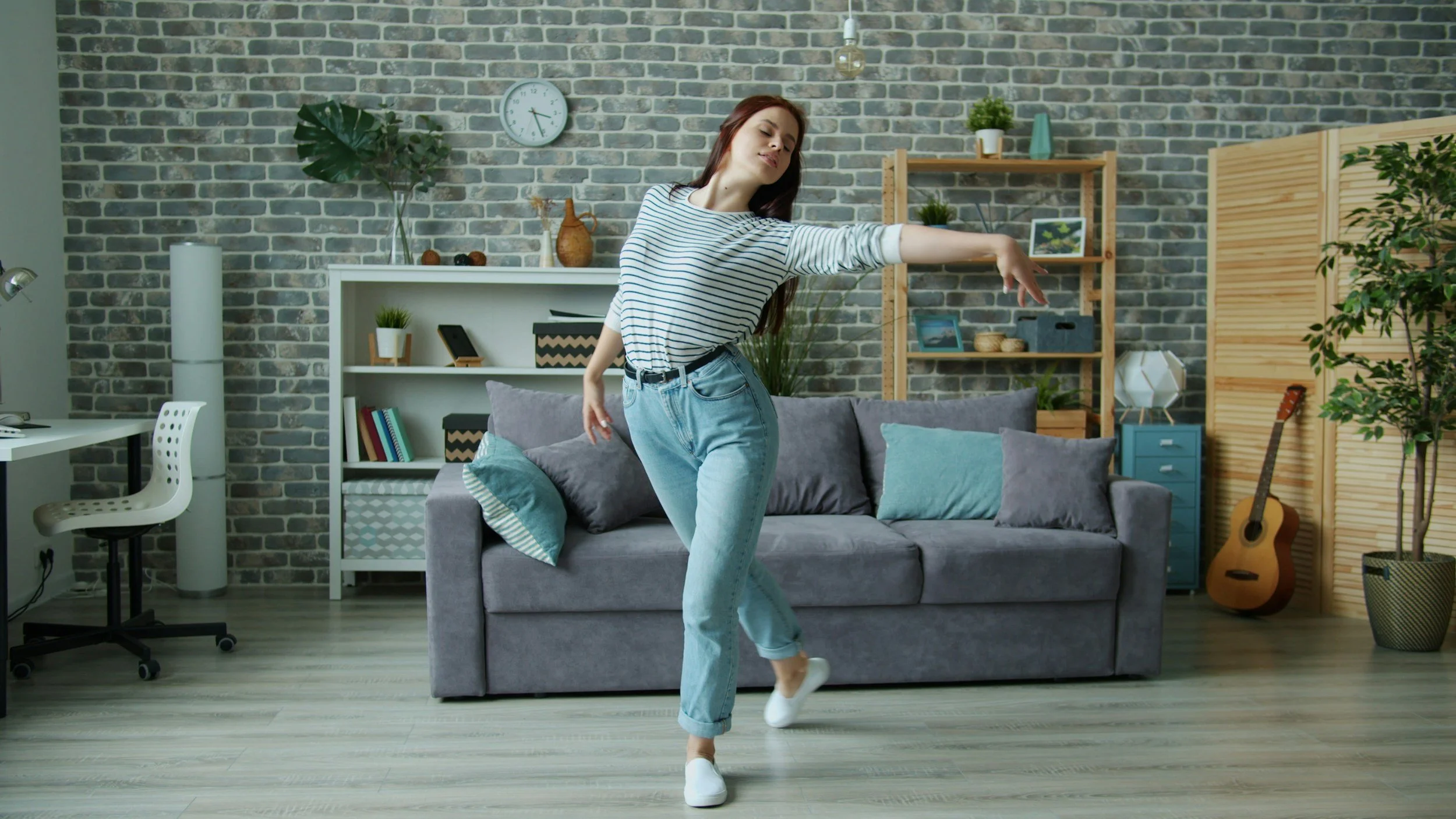
DC-area dance students, working professionals, busy parents, and kids starting classes often want dance to support well-being enhancement, but packed schedules, tight budgets, and uneven access to inclusive instruction can make even simple self-care feel out of reach. The core challenge is staying consistent when daily lifestyle choices compete with work demands, school routines, commuting, and varying physical needs. Small shifts can still support daily energy improvement, strengthen mental and physical health, and create steady confidence-building without requiring major overhauls. This starter overview introduces beginner self-care strategies that fit real DC routines and support how the body and mind feel each day.
Understanding Well-Being, Simply
Well-being is not perfection or constant happiness. It is the balance point between what you have to draw on and what life asks of you, including energy, time, support, and skills, as described in the balance point idea. A simple way to understand it is four areas you can influence: physical, mental, social, and lifestyle factors.
This matters because you can improve how you feel without fixing everything at once. When mental strain is common, it helps to name it and plan for it, since 23% or nearly 1 in 5 US adults live with a mental health condition. The framework helps you spot your easiest lever first.
Picture a beginner dancer trying to keep classes on the calendar. If knees feel stiff, that is physical; if motivation is low, that is mental; if you feel out of place, that is social; if your commute crushes dinner and bedtime, that is lifestyle. One small tweak in the right bucket can make the whole week easier.
With the four buckets clear, daily movement, sleep, food, stress, and connection become practical choices.
Habits That Build Well-Being and Belonging
These habits turn well-being and connection into concrete actions you can practice between classes, work, and family life. For DC residents exploring accessible dance education and community engagement, consistency matters more than intensity because small routines build confidence, stamina, and a sense of belonging over time.
Two-Song Movement Reset
What it is: Put on two songs and do gentle steps, sways, or chair dancing.
How often: Daily
Why it helps: A short reset boosts mood and keeps your body ready to learn.
Sleep Setup Check
What it is: Adjust lights, screen time, and room cues using sleep environment and behavior.
How often: Nightly
Why it helps: Better sleep quality supports patience, learning, and emotional steadiness.
Hydrate and Protein Pair
What it is: Drink water and add a protein to your first meal.
How often: Daily
Why it helps: Steadier energy helps you show up without crashing later.
One-Minute Downshift Breath
What it is: Inhale four counts, exhale six counts, repeating for one minute.
How often: Daily
Why it helps: Longer exhales can lower stress and reduce reactivity.
Weekly “Hello” Loop
What it is: Send one check-in text and learn one new name at class.
How often: Weekly
Why it helps: Small outreach creates familiar faces and lasting community ties.
Choose one habit this week and adapt it to your family schedule in DC.
Common Questions About Staying Consistent
If life feels full, keep it simple and build from there.
Q: What are some affordable ways to incorporate dance into my routine to boost my daily well-being?
A: Choose a minimum-viable routine that costs nothing, like two songs of gentle steps in your living room or a quick stretch-and-sway break between tasks. To reduce overwhelm, set a simple rule such as “move while the kettle boils” so it stays automatic. When you want more connection, look for free community events, open practices, or pay-what-you-can classes.
Q: How can I find quality instruction that fits my busy schedule and meets my special needs?
A: Start by identifying your biggest bottleneck, such as time, transportation, or accessibility, then filter options around that constraint. Ask instructors specific questions about pacing, modifications, sensory considerations, and class size so you can feel safe and supported. If your schedule changes weekly, choose drop-in formats and request clear lesson summaries to practice at home.
Q: What practical self-care activities can help me manage stress and feel more energized each day?
A: Pair one calming tool with one energy tool: a one-minute longer exhale breath, then a short walk or a few minutes of easy movement. Protect your baseline with consistent sleep cues, hydration, and a protein-forward first meal so your mood is less reactive. Keep the plan small enough that you can do it on hard days.
Q: How can starting a new hobby like dance improve my mental and physical health?
A: Dance can support mood by giving you focused attention, rhythmic breathing, and a sense of progress you can measure week to week. It also builds functional strength, balance, and coordination in a way that feels playful rather than punishing. For motivation, reflect on your values so the habit connects to what you want your life to feel like.
Q: What resources are available for someone juggling multiple responsibilities who needs extra support to stay motivated and organized?
A: Use a support-systems guide: one accountability person, one reminder method, and one backup plan for busy weeks, especially when the Challenges of nontraditional students overlap with an unpredictable schedule. Keep a simple contingency script, such as “If I miss class, I do five minutes at home,” so missed days do not turn into quitting. Choosing a routine tied to a strong foundation for motivation can also make the organization feel worth the effort.
Small steps, repeated, are often what turn stress into steadier days and real connection.
Try DC-Friendly Options: Dance, Community, and Low-Cost Movement
Small, low-cost choices are often easier to repeat than big “fresh start” plans, especially when your schedule changes week to week. Use the ideas below as a menu and pick what fits your time, budget, and comfort level.
Choose one beginner-friendly class and commit to a “minimum-viable” version: Look for accessible dance classes in DC that clearly label beginner, intro, or all-levels with options, then set a low bar you can keep (for example, one class every other week). Consistency matters more than intensity because it reduces the decision fatigue that often breaks routines. If your biggest bottleneck is time, choose a shorter class or a studio near a regular errand route so getting there is simpler.
Use low-cost “movement snacks” on busy days: A movement snack is a short burst of activity (5–10 minutes) that keeps the habit alive when you can’t do a full workout or class. Try a gentle dance warm-up at home: shoulder rolls, side steps, and two songs of easy grooves. This works because it protects your routine during stressful weeks, your contingency plan becomes “do the small version,” not “do nothing.”
Try inclusive movement options that welcome different bodies and energy levels: Inclusive movement means the activity offers modifications (seated options, slower tempo, less impact) and supports beginners without pressure to “perform.” Look for community classes described as adaptive, gentle, family-friendly, or beginner-focused; if you’re unsure, email ahead and ask what modifications are normal. This helps you stay consistent because feeling safe and capable is a strong predictor of returning.
Build connection through community arts programs (even if you’re not a “dancer” yet): Community engagement through arts can include drop-in workshops, rehearsals open to the public, beginner intensives, or family movement programs. Choose one program that meets regularly (weekly or monthly) and treat it like an appointment with other people, not a solo motivation test. If you’re juggling school, work, or caregiving, shared commitment becomes a built-in support system.
Attend local well-being events as a “low-pressure entry point”: Local well-being events, free outdoor fitness sessions, movement meetups, wellness fairs, or community walks, can give you structure without a long-term contract. Pick one event on your calendar and decide your “success metric” in advance (for example: show up for 20 minutes, introduce yourself to one person, leave when you need to). This approach lowers the cost of trying something new and makes it easier to repeat.
Set a simple money-and-time boundary so your plan stays affordable: Create a small weekly budget and a time cap (for example: “$10–$20 and 60–90 minutes total”) and only choose options that fit inside it, including transit or parking. This removes a common bottleneck, overcommitting, so you don’t quit when costs pile up or your schedule tightens. If you want variety, rotate: one paid class one week, a free community program the next.
Pick one or two options that feel realistic this week, and define the smallest version you can still count as a win for 14 days.
Two Weeks of Small Habits for Stronger DC Well-Being
In DC, busy schedules and constant options can make well-being feel like one more task to manage. The steadier approach is simple: choose a couple of realistic daily practices, use brief well-being reflection prompts, and let consistency build connection over time. Over a few days, small step progress becomes easier to notice, which supports motivation for consistent habits and keeps long-term wellness goals in view. Small daily choices create the foundation for lasting well-being and connection. Pick two changes and track them for 14 days, noting what felt easier, what felt supportive, and what got in the way. This kind of daily self-care encouragement matters because it builds resilience that shows up in health, focus, performance, and community ties.
